what are the 3 p's in diabetes Diabetes ps hyperglycemia pathophysiology classification selim dr
Living with diabetes can be challenging, but with the right knowledge and lifestyle changes, managing the condition can become much easier. In this post, we will explore some valuable information about diabetes and provide practical tips to make your daily life more manageable.
Diabetes Made Easy
 First, let’s take a look at an insightful image titled “Diabetes Made Easy.” This image emphasizes the importance of understanding diabetes in a simple and approachable manner. By familiarizing ourselves with the various aspects of the condition, we can better navigate its challenges.
Diabetes is a chronic disease that affects how your body regulates blood sugar (glucose) levels. There are two main types of diabetes: type 1 and type 2. In type 1 diabetes, the immune system attacks and destroys the cells in the pancreas responsible for producing insulin. Insulin is a hormone that helps regulate glucose levels in the blood. On the other hand, type 2 diabetes occurs when the body becomes resistant to the effects of insulin or doesn’t produce enough insulin to maintain normal blood sugar levels.
If you have been diagnosed with diabetes, it’s crucial to monitor your blood sugar levels regularly. This can be done through the use of a blood glucose monitor, which measures the level of glucose in your blood. By keeping track of your blood sugar levels, you can make informed decisions about your diet, physical activity, and medication.
3 Ps Of Diabetes Hyperglycemia
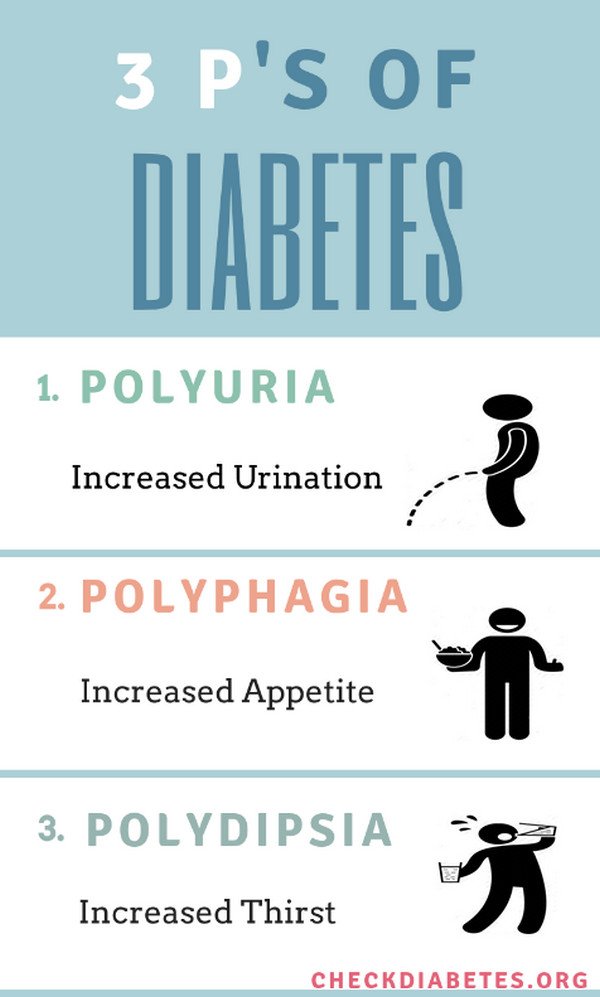 Next, let’s discuss a helpful image titled “3 Ps Of Diabetes Hyperglycemia.” This image highlights three important symptoms of hyperglycemia, a condition characterized by high blood sugar levels.
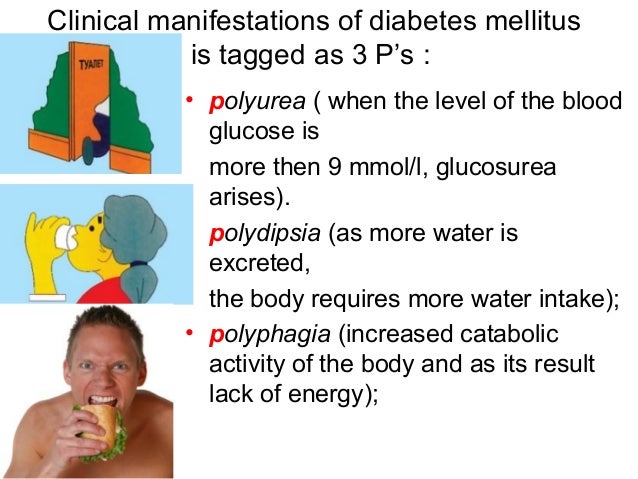
The first “P” stands for polyuria, which refers to increased urination. In diabetes, excess sugar builds up in the blood, leading to more frequent urination. The second “P” represents polyphagia, or increased hunger. When blood sugar levels are high, the body has difficulty utilizing glucose for energy, leading to persistent feelings of hunger. Lastly, the third “P” stands for polydipsia, which means increased thirst. High blood sugar levels can cause dehydration, resulting in an increased need for fluid intake.
To manage diabetes effectively, it is important to make healthy lifestyle choices. A balanced diet that includes whole grains, lean proteins, fruits, and vegetables can help regulate blood sugar levels. Additionally, regular exercise can improve insulin sensitivity and help maintain a healthy weight.
It is also crucial to work closely with your healthcare team. They can provide personalized guidance and monitor your progress, ensuring that you stay on track with your diabetes management. Medications, such as insulin injections or oral anti-diabetic drugs, may be prescribed based on your individual needs.
In conclusion, living with diabetes requires a proactive and informed approach. By understanding the basics of diabetes, monitoring blood sugar levels, and adopting a healthy lifestyle, you can successfully manage the condition. Remember, you are not alone in this journey – reach out to your healthcare team and loved ones for support. With the right strategies and a positive mindset, you can lead a fulfilling life, even with diabetes.
If you are searching about 3 Ps Of Diabetes Hyperglycemia - DiabetesWalls you’ve came to the right web. We have 5 Pictures about 3 Ps Of Diabetes Hyperglycemia - DiabetesWalls like 3 Ps Of Diabetes Hyperglycemia - DiabetesWalls, 3 Ps Of Diabetes Hyperglycemia - DiabetesWalls and also Diabetes Made Easy. Here it is:
3 Ps Of Diabetes Hyperglycemia - DiabetesWalls
 diabeteswalls.blogspot.comdiabetes ps hyperglycemia pathophysiology classification selim dr
What Are The 3 Most Common Symptoms Of Undiagnosed Diabetes
 diabetestalk.netdiabetes characteristics symptoms diabetestalk their
3 Ps Of Diabetes Hyperglycemia - DiabetesWalls
diabeteswalls.blogspot.comdiabetes ps polyphagia polyuria polydipsia hyperglycemia symptoms
Diabetes Made Easy
www.slideshare.netdiabetes
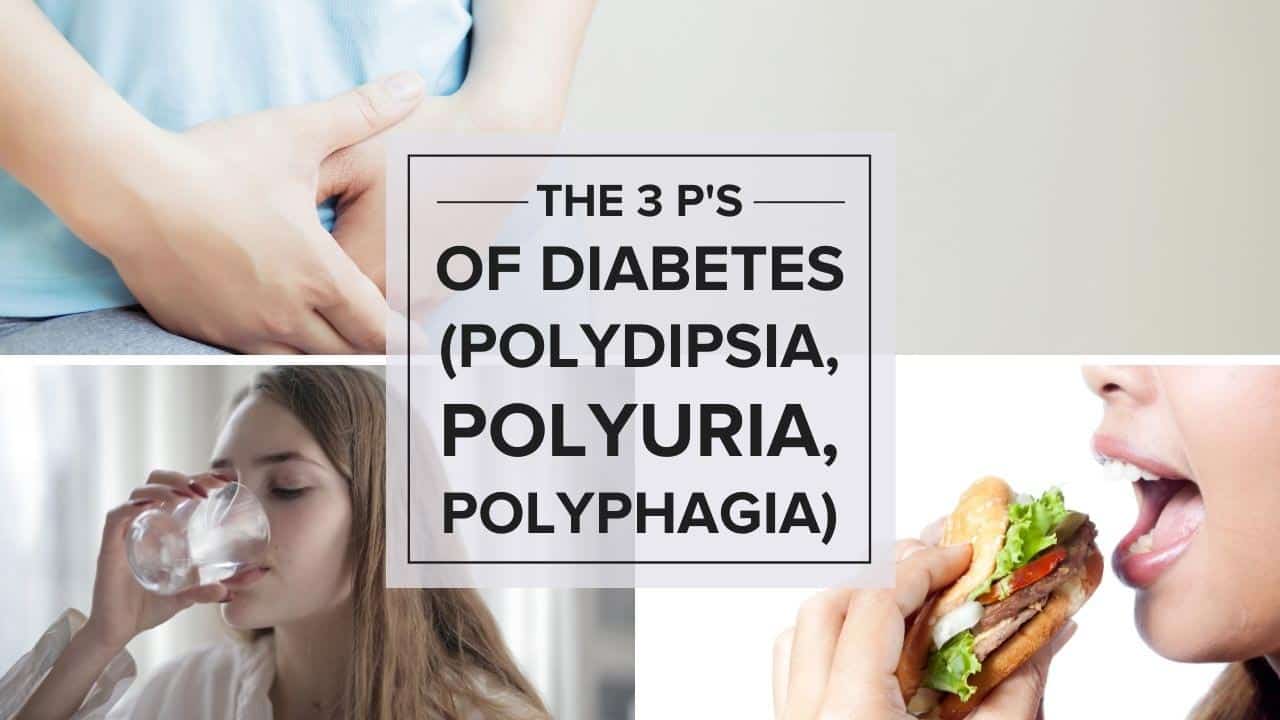
The 3 P’s Of Diabetes (Polydipsia, Polyuria, Polyphagia)
 www.masteringdiabetes.orgpolyuria polydipsia polyphagia masteringdiabetes
The 3 p’s of diabetes (polydipsia, polyuria, polyphagia). Diabetes ps polyphagia polyuria polydipsia hyperglycemia symptoms. Polyuria polydipsia polyphagia masteringdiabetes